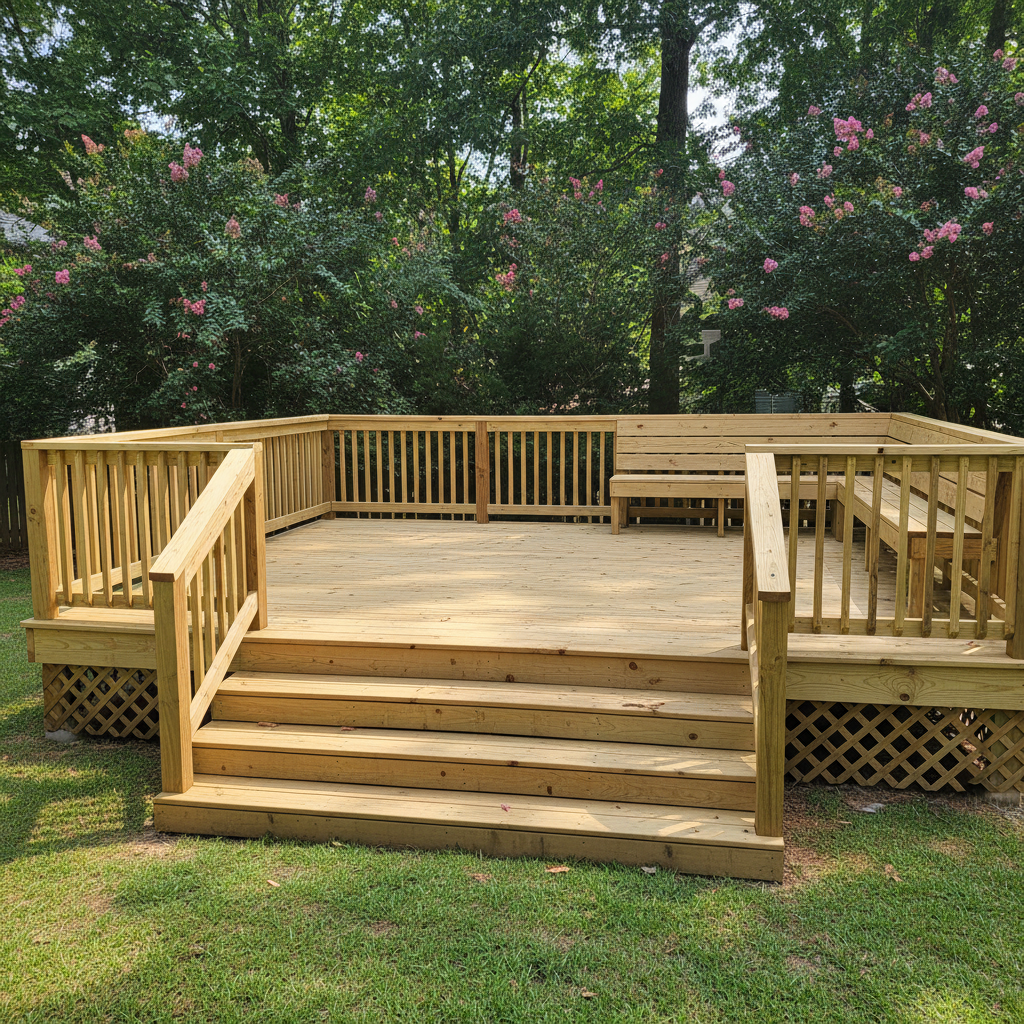
You want a new deck, right? That's awesome. A good deck can totally change your backyard, give you a perfect spot for grilling, or just a quiet place to kick back. But I've seen too many folks here in Warner Robins make some pretty common mistakes that turn that dream into a real headache. Let's talk about what to watch out for.
Mistake #1: Not Knowing What You Really Want (or Need)
This is probably the biggest one, honestly. People call me up and say, "I want a deck." Great, but what kind of deck, exactly? Is it for entertaining a big crowd, or just a small spot for your morning coffee? Do you need shade? Maybe you want a built-in bench or a planter? Are you even going to put a hot tub on it? These aren't minor details; they pretty much dictate the size, the materials, the foundation, and ultimately, the cost.
If you haven't really thought through how you'll actually use the space, you're just setting yourself up for disappointment. You might end up with a tiny deck that's useless for your family gatherings, or a huge one that eats up your whole yard and you never even use half of it. Spend some time sketching it out, measuring your yard, and just imagining yourself using it. Look at pictures online, get specific. It makes my job easier, and it makes sure you get what you're truly paying for.
Mistake #2: Focusing Only on the Lowest Bid
Look, I get it. Money matters. Everyone wants a good deal. But when it comes to something as permanent and structural as a deck, the lowest bid is almost never the best bid. I've seen homeowners go with the cheapest guy in town, only to call me six months later because their deck is sagging, the railings are wobbly, or the wood's already rotting because they used cheap fasteners.
A low bid often means corners are getting cut. Maybe they're using crummy materials, skipping permits, or they're just not experienced enough to do the job right. You're not just paying for wood and nails; you're paying for expertise, proper construction techniques, insurance — and a good night's sleep. Always get multiple bids, sure, but compare apples to apples. Ask what materials they're using, how they're building the foundation, and if they pull permits. If a bid seems too good to be true? It almost always is.
Mistake #3: Ignoring Permits and Local Codes
This is a big one here in Warner Robins, especially with some of the older homes in neighborhoods like Shirley Hills. You can't just build whatever you want in your backyard. There are rules, you know? The city has specific building codes and setback requirements. You need permits for most deck projects, especially if they're attached to your house or above a certain height.
Some contractors will tell you, "Oh, you don't need a permit for that." That's a massive red flag. If they're willing to cut corners on something as basic as a permit, what else are they cutting corners on? If you build without a permit, you could face fines, be forced to tear down your deck, or have trouble selling your house later on. A reputable contractor, like Midway Deck Solutions, will always pull the necessary permits and build to code. It protects everyone.
Mistake #4: Not Checking References or Insurance
You wouldn't hire someone to babysit your kids without checking references, right? The same goes for someone building a structure onto your home. Ask for references from past clients. Call them up. Ask about their experience, if the project stayed on budget, and if the contractor was responsive. A good contractor will be happy to provide them.
And this is crucial: make sure your contractor has proper insurance. That means general liability insurance and workers' compensation. If they don't, and someone gets hurt on your property or there's damage to your home during construction, you could be held liable. Don't just take their word for it; ask for proof of insurance directly from their insurance company. It's a simple request that can save you a world of trouble, believe me.
Mistake #5: Not Considering the Long-Term Maintenance
Georgia weather, with its hot, humid summers and occasional freezes, can be tough on decks. Some materials require more upkeep than others. Pressure-treated pine is common and affordable, but it needs regular cleaning, staining, or sealing. Composite decking, while more expensive upfront, is much lower maintenance. It won't rot, splinter, or need staining — which can be a huge time-saver over the years.
Think about how much time you're actually willing to spend maintaining your deck. If you're not a fan of weekend projects, investing in a low-maintenance material might be worth it. Factor that into your budget and your decision-making process. It's not just about the build cost; it's about the lifetime cost and enjoyment.
Building a new deck should be an exciting project, not a source of stress. By avoiding these common mistakes, you'll be well on your way to getting a beautiful, safe, and long-lasting deck that you and your family can enjoy for years to come. Do your homework, ask the right questions, and don't be afraid to walk away if something just feels off.