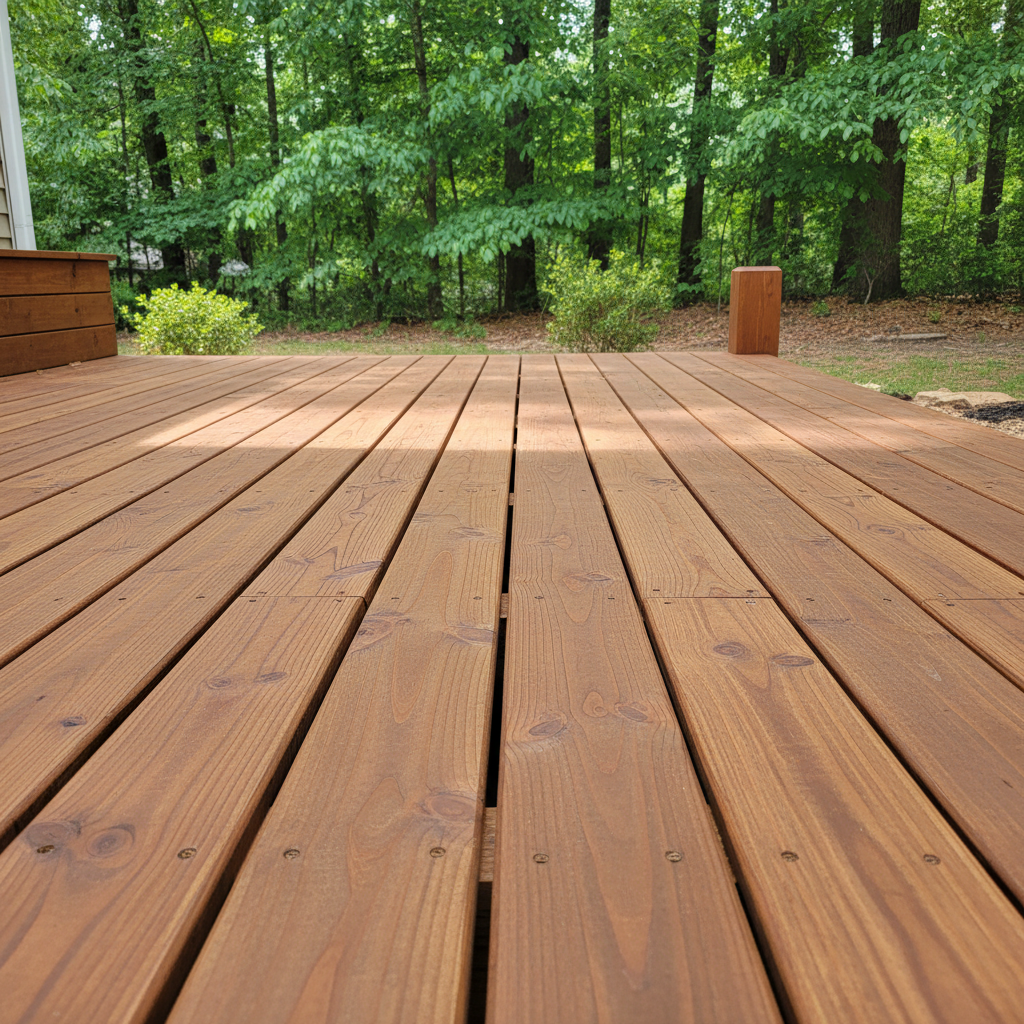
So, you've been eyeing that backyard space, maybe picturing a nice new deck for grilling out or just relaxing. It's a common thought around Warner Robins, especially with our great weather most of the year. A lot of folks wonder if they can tackle a deck build themselves. And you know what? Some parts, absolutely. Other parts? You're better off calling someone like me.
Before You Even Buy a Single Board
Before any hammer swings, you've got to do your homework. This isn't just about picking out pretty wood, you know. First up, permits. You can't skip this. The City of Warner Robins has specific codes for deck construction, and you'll need a building permit. This usually means submitting plans, and they'll check things like setbacks from property lines and structural integrity. If you're not comfortable drawing up detailed plans that meet local codes, that's your first sign you might need a pro – or at least some help with the design phase.
Next, think about your design. How big do you want it? What shape? What kind of materials? Pressure-treated pine is common here, but composite decking is gaining popularity because it's low maintenance. Consider the sun exposure, how it connects to your house, and what kind of traffic it'll see. A good design prevents headaches down the road, believe me.
Then there's the site prep. You'll need to clear the area, make sure it's level, and mark out where your footings will go. This is also where you need to call 811 before you dig, every single time. You don't want to hit a gas line or electrical conduit. That's a mistake that costs a lot more than hiring a professional.
The "During" Phase: Where DIY Gets Tricky
Alright, plans are approved, the site's prepped. Now for the actual building. Here's where the line between DIY and pro gets pretty clear.
- Footings: This is critical. Your deck's stability depends entirely on proper footings. In Warner Robins, we deal with a lot of clay soil, which can expand and contract. You need to dig down to the proper depth, usually below the frost line (which isn't super deep here, but still important), and pour concrete footings that are wide enough to support the load. If your footings aren't right, your deck will sag, shift, and become unsafe. This is one area where I'd strongly recommend a pro, or at least getting an experienced friend to help you pour.
- Framing: This is the skeleton of your deck – the beams, joists, and ledger board. If you're good with a tape measure, a level, and a saw, you can probably handle cutting and fastening these. But getting everything perfectly square, plumb, and level is crucial. The ledger board, which attaches the deck to your house, needs proper flashing to prevent water from getting into your home's structure. That's a big deal. Mistakes here can lead to rot and serious structural problems for your house. If you're not confident in your carpentry skills, especially with structural elements, call Midway Deck Solutions. We do this every day.
- Decking & Railings: This is where a lot of homeowners shine. Laying down the deck boards, whether it's wood or composite, is usually a pretty straightforward process. You'll need to make sure your spacing is consistent and your fasteners are correct. Railings can be a bit more involved, especially if you're doing custom designs, but basic picket railings are often a good DIY project. Just make sure they meet code for height and spacing – especially if you have little ones or pets.
After the Build: Maintenance Matters
Once your deck is built, whether you did it yourself or hired us, the work isn't totally done. Maintenance is key to making it last. For wood decks, you'll need to clean and seal or stain it regularly, usually every year or two depending on the product and sun exposure. That Warner Robins sun can be brutal on untreated wood. Composite decks are lower maintenance, but they still need cleaning to prevent mold and mildew buildup.
You should also regularly inspect your deck for loose fasteners, wobbly railings, or any signs of rot or insect damage. Catching small problems early can prevent bigger, more expensive repairs down the line.
Look, building a deck is a big project. There's a real sense of accomplishment in doing it yourself, and for some parts, it's totally achievable. But for the structural stuff – the footings, the ledger board, making sure it's all up to code and safe – that's often best left to the pros. Don't be afraid to ask for help, even if it's just for the trickier parts. Your family's safety and your home's integrity are worth it.